Job Analysis: Definition, Process, Methods, Importance and Advantages
Learn what job analysis is, how to perform it, the methods organisations use, and why it improves recruitment, performance, compensation, and workforce planning.
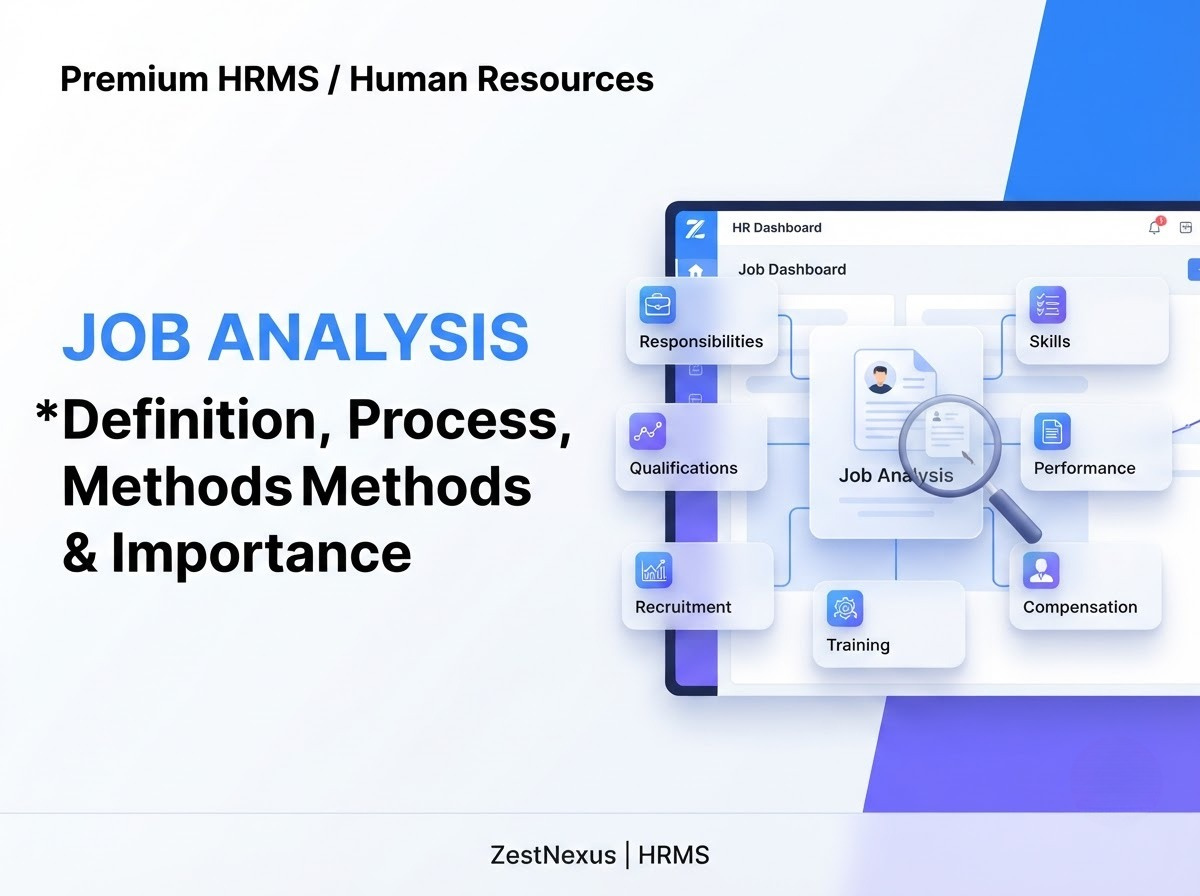
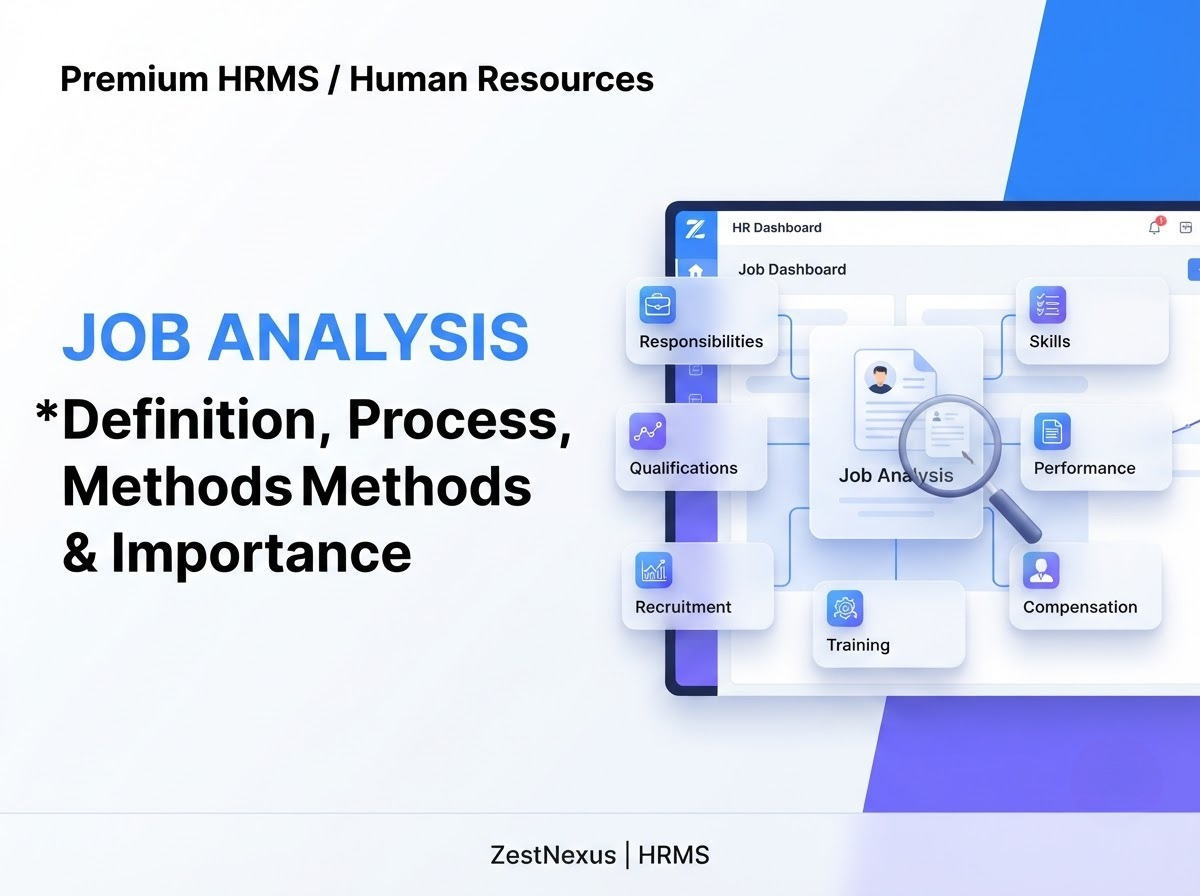
Job analysis is the systematic study of a role to understand its purpose, duties, responsibilities, working conditions, and the knowledge, skills, and abilities needed to perform it. It provides the foundation for a clear job description and person specification.
Job analysis process
1. Define the purpose
Decide why the analysis is being conducted: recruitment, role redesign, compensation review, performance management, training, or workforce planning. The purpose determines the information needed.
2. Gather job information
Collect information from job holders, managers, documents, and direct observation. Include key tasks, decision-making authority, tools used, reporting relationships, performance standards, and working conditions.
3. Validate the findings
Review the draft with employees and managers who understand the work. This prevents outdated assumptions and ensures the role reflects real business needs.
4. Prepare job documents
Turn the findings into a job description and job specification. The description explains what the role does; the specification defines the qualifications, experience, and competencies required.
Common job-analysis methods
- Interviews: Detailed conversations with job holders and managers
- Questionnaires: A scalable way to collect consistent role information
- Observation: Useful for operational, technical, or repetitive work
- Work diaries: Records of tasks completed over a period of time
- Critical incident method: Analysis of behaviours that lead to effective or ineffective performance
Why job analysis is important
Accurate role information improves hiring quality, training plans, performance expectations, compensation decisions, and internal mobility. It also reduces ambiguity by showing employees how their work contributes to organisational goals.
How ZestNexus helps
ZestNexus helps HR teams maintain structured employee records, role information, performance data, and recruitment workflows. Keeping this information centralised makes job updates and people decisions more consistent as the organisation grows.
Frequently Asked Questions
What is job analysis?
Job analysis is the systematic study of a role’s duties, responsibilities, working conditions, and required competencies.
What is the difference between job analysis and a job description?
Job analysis is the research process. A job description is one of its outputs and explains the role’s purpose and responsibilities.
Which methods are used for job analysis?
Common methods include interviews, questionnaires, observation, work diaries, and critical incident analysis.
Why is job analysis important?
It improves recruitment, training, performance expectations, compensation decisions, and workforce planning by making role requirements clear.
Similar blogs you may like