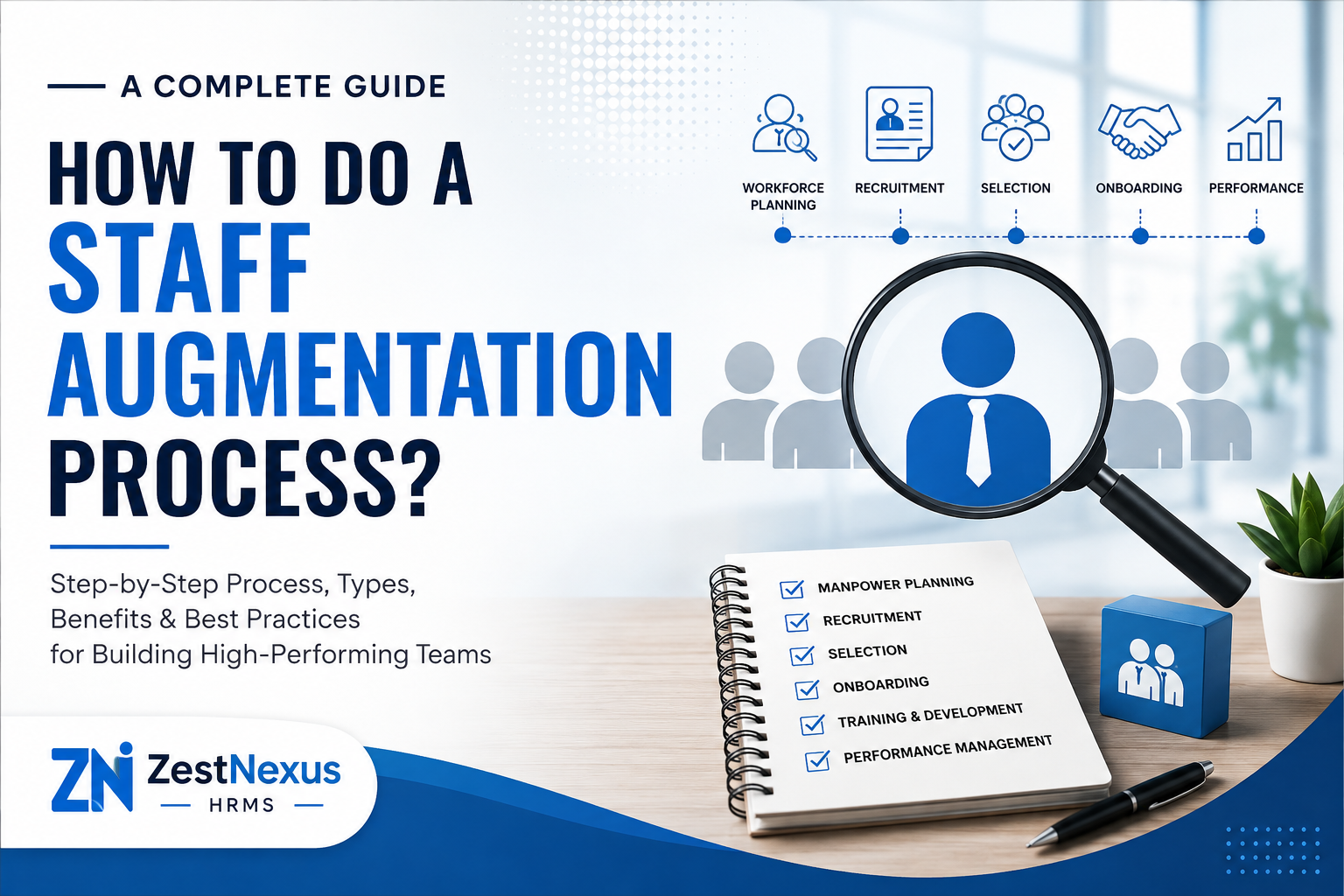
How To Do a Staff Augmentation Process
Learn how to plan, run, and improve a staff augmentation process that gives your business access to the skills it needs without slowing delivery.
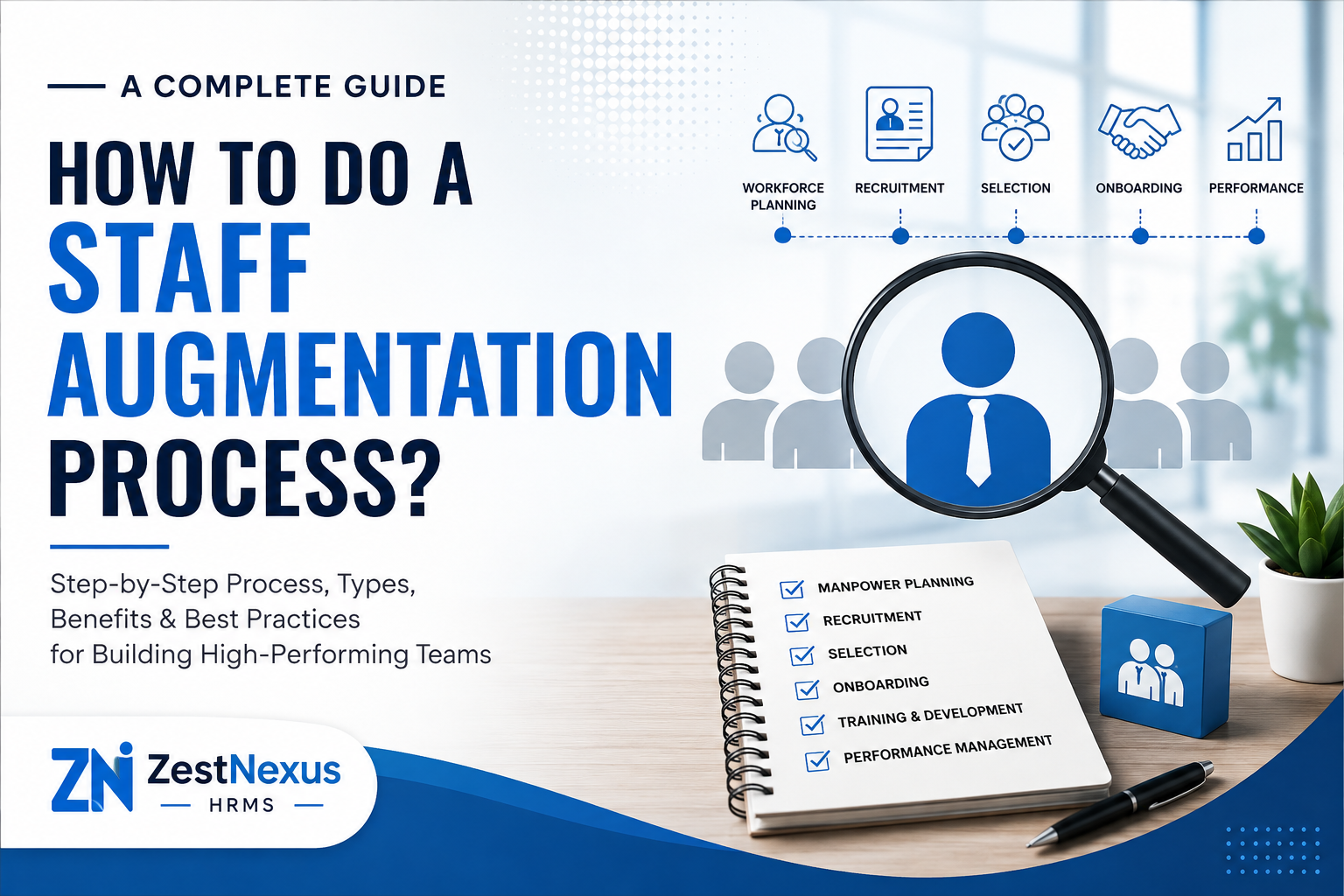
Staff augmentation lets an organisation extend its team with external professionals for a defined need, while retaining control of its projects, priorities, and day-to-day work. It is useful when a critical skill is needed quickly, a project has a temporary peak, or hiring a permanent employee is not the right fit.
What is staff augmentation?
Staff augmentation is a flexible workforce model in which qualified professionals join an existing team for a specific period or project. Unlike fully outsourced work, the business manages the augmented employee’s tasks, collaboration, and delivery standards.
A practical staff augmentation process
1. Define the business need
Start with the outcome, not simply a job title. Identify the project, delivery deadline, skills gap, expected workload, budget, reporting manager, and duration of the engagement. This prevents teams from bringing in talent without a clear role.
2. Build a role brief
Document the technical and functional skills required, seniority, location or time-zone expectations, tools the person will use, and measurable deliverables. Separate essential skills from preferred skills so the search stays focused.
3. Choose the right sourcing partner
Evaluate staffing partners for their candidate quality, screening process, domain knowledge, turnaround time, compliance practices, and replacement policy. A strong partner should understand the role before sharing profiles.
4. Screen and select candidates
Review experience against the role brief, then use structured interviews or skill assessments to validate capability. Check communication style and team fit as well as technical expertise. Agree on availability, engagement terms, and start date before finalising selection.
5. Onboard quickly and deliberately
Give augmented professionals the same clarity as internal hires: an introduction to the team, access to required systems, project documentation, security expectations, and a first-week plan. A named point of contact makes early questions easy to resolve.
6. Manage performance and communication
Set goals, review progress regularly, and include the augmented team member in relevant stand-ups and planning sessions. Track delivery quality, utilisation, collaboration, and stakeholder feedback so issues can be addressed early.
7. Close or extend the engagement
Before the engagement ends, complete knowledge transfer, remove system access where appropriate, and assess whether the role should be extended, converted to a permanent position, or concluded. Capture lessons that improve the next engagement.
Benefits and common challenges
Staff augmentation provides faster access to specialised talent, cost flexibility, and the ability to scale teams without a long-term hiring commitment. Its risks—unclear ownership, poor onboarding, and weak communication—are manageable with a detailed role brief, a structured onboarding plan, and regular performance reviews.
How ZestNexus supports workforce planning
ZestNexus helps HR teams maintain a clear view of workforce requirements, candidate pipelines, onboarding tasks, and employee records. With recruitment, onboarding, attendance, and performance workflows in one place, teams can plan both permanent hiring and flexible talent needs with better visibility.
Frequently asked questions
Is staff augmentation the same as outsourcing?
No. In staff augmentation, professionals work as part of your team and you direct their work. In outsourcing, a provider is usually responsible for delivering an agreed scope or outcome.
When should a business use staff augmentation?
Use it for temporary capacity gaps, specialist skills, short projects, seasonal work, or when speed matters more than a permanent hire.
How do you measure success?
Measure delivery against agreed goals, quality of work, time to productivity, team collaboration, and the value delivered within the planned budget.
Frequently Asked Questions
What is staff augmentation?
Staff augmentation is a flexible hiring model in which external professionals join an existing team for a defined period or project.
How is staff augmentation different from outsourcing?
With staff augmentation, your organisation directs the day-to-day work. Outsourcing generally assigns a provider responsibility for a defined deliverable or outcome.
When should a company use staff augmentation?
It is useful for temporary capacity gaps, specialist skills, seasonal demand, and projects that need to start quickly.
How can businesses manage augmented staff effectively?
Set clear goals, provide structured onboarding, include them in relevant team communication, and review progress regularly.
Similar blogs you may like