The Top Human Resource Facts Every Growing Business Should Know
Discover the most important Human Resource Management facts every growing business should understand to build a productive, engaged, and future-ready workforce.
The Top Human Resource Facts Every Growing Business Should Know
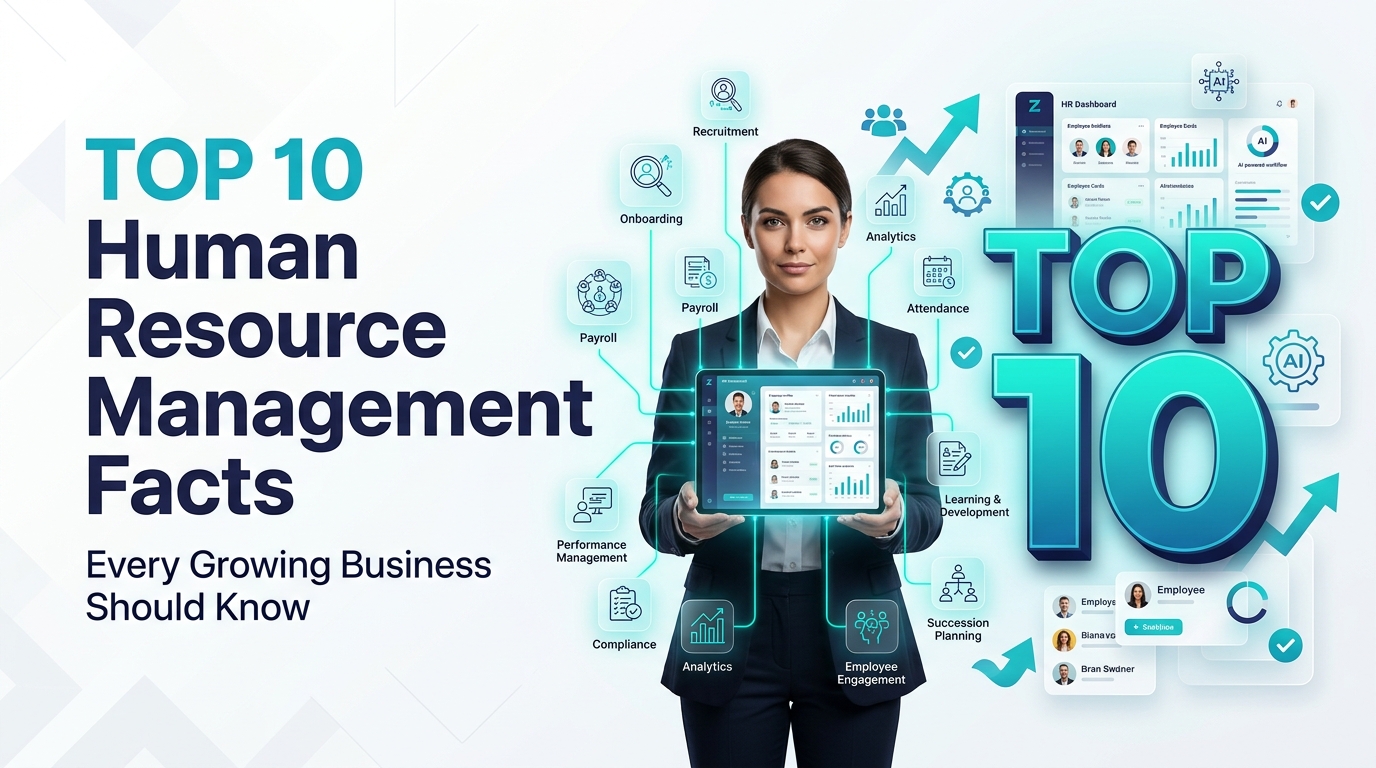
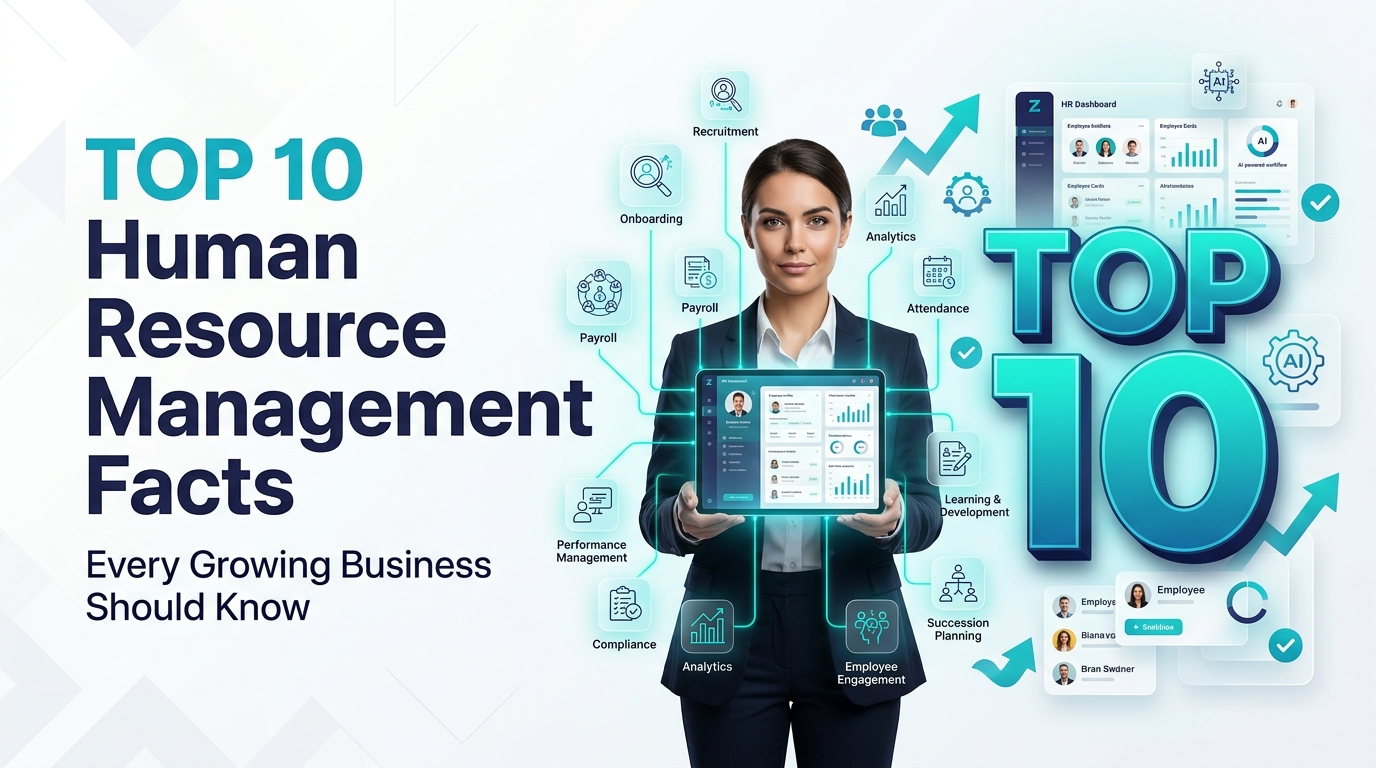
In today’s business environment, employees are no longer viewed simply as company assets—they are the driving force behind innovation, productivity, and sustainable growth. Organizations that invest in effective Human Resource Management (HRM) are better positioned to attract top talent, improve employee retention, and build high-performing teams.
Whether you’re a startup, SME, or large enterprise, understanding the fundamentals of HRM can help you build a resilient and future-ready workforce.
In this blog, we’ll explore the key pillars of Human Resource Management that every business leader and HR professional should understand to effectively manage and grow their teams.
What Is Human Resource Management?
Human Resource Management (HRM) is the strategic process of attracting, managing, developing, and retaining employees to help organizations achieve their business goals.
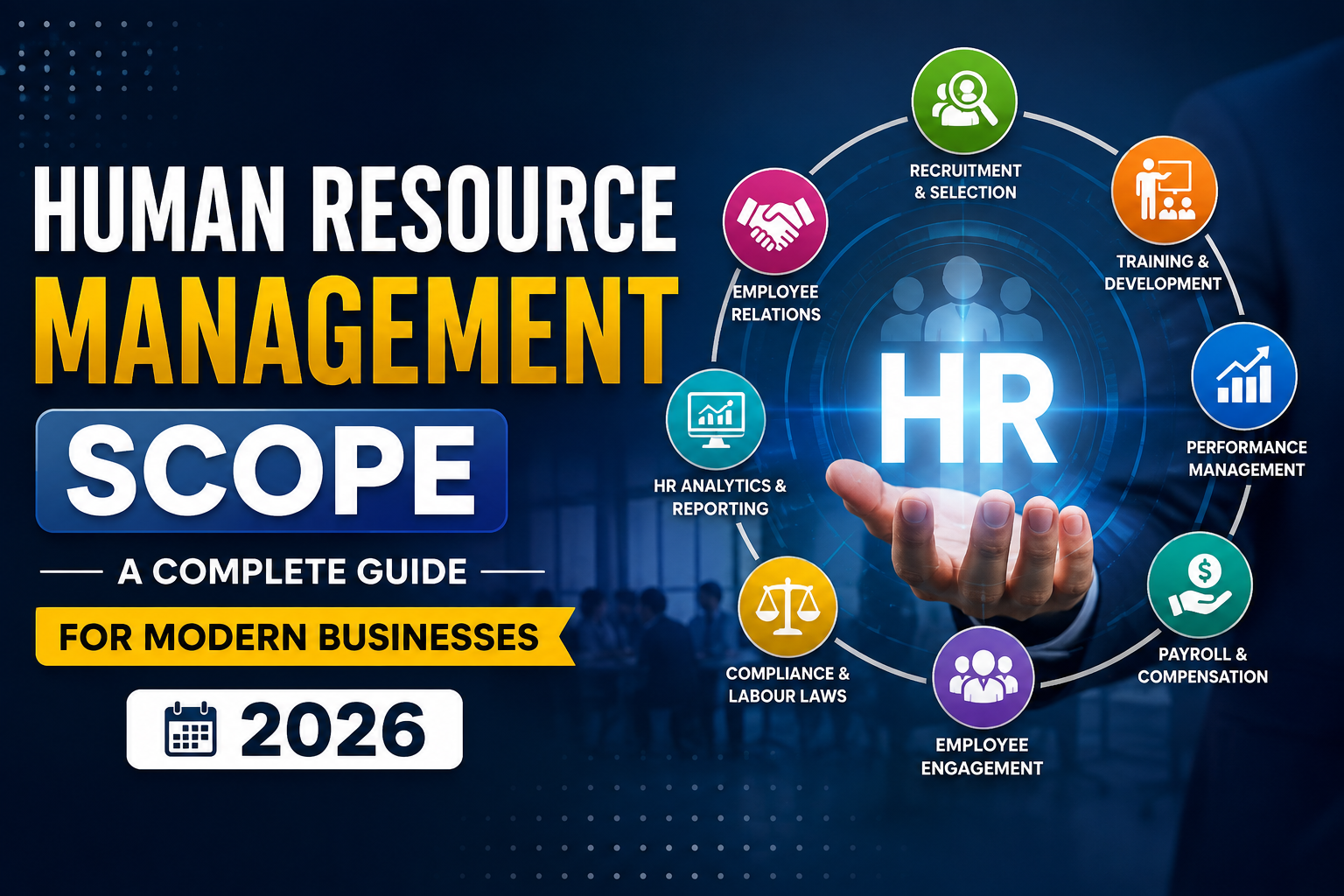
HRM includes several core functions, such as:
- Recruitment and hiring
- Employee development
- Compensation and benefits
- Performance management
- Workforce planning
- Employee engagement
A strong HR function doesn’t just manage employees—it helps organizations scale efficiently, strengthen workplace culture, and improve long-term business performance.
1. Recruitment and Selection
Recruitment and selection are the foundation of successful Human Resource Management. Hiring the right people ensures your organization has the skills, knowledge, and cultural fit needed to achieve business objectives.
The Recruitment Process Typically Includes
- Job analysis and role definition
- Creating job descriptions
- Candidate sourcing
- Resume screening
- Interviews and assessments
- Background verification
- Job offers
- Employee onboarding
An effective recruitment process helps businesses hire candidates who not only possess the required skills but also align with the organization’s values and culture.
Why Recruitment Matters
- Reduces employee turnover
- Improves workforce productivity
- Strengthens company culture
- Enhances employer branding
2. Performance Management
Performance management is a continuous process that aligns employee performance with business objectives.
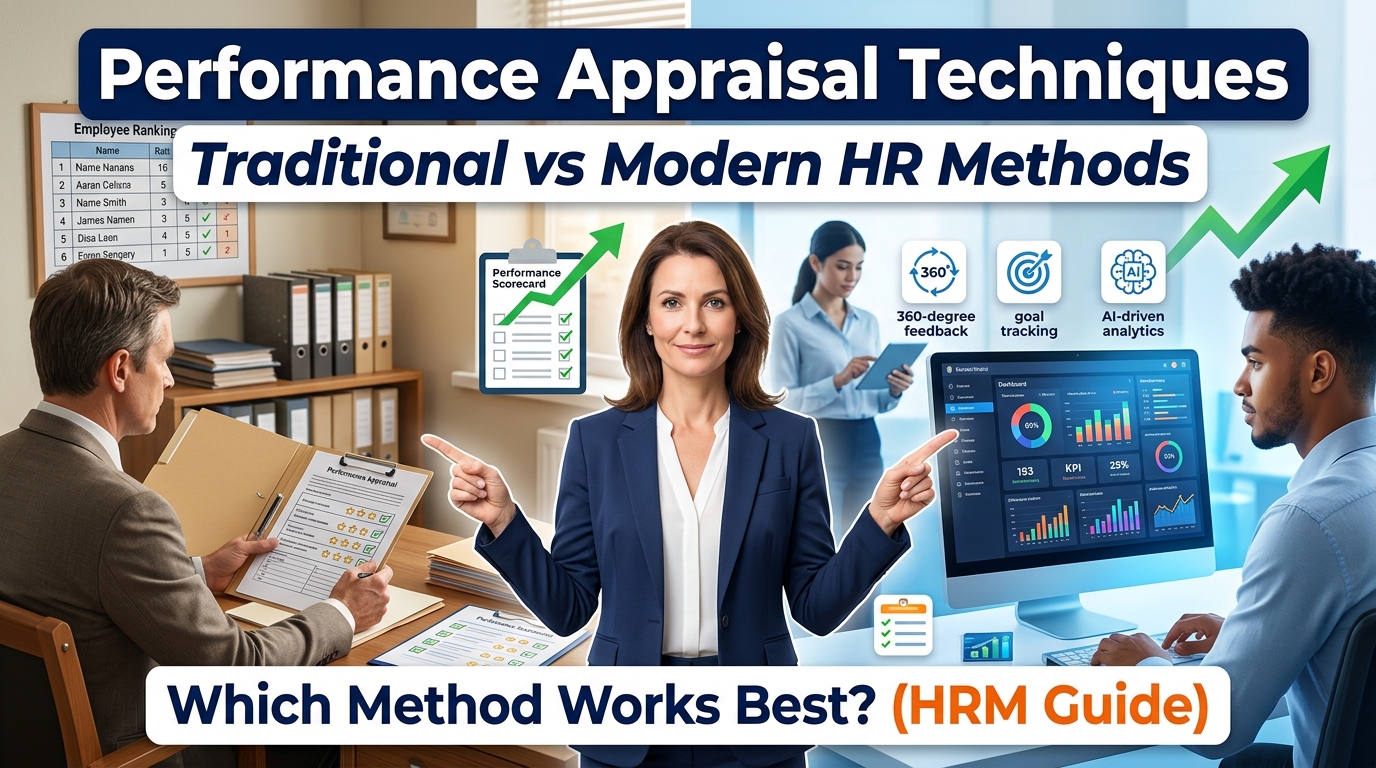
Rather than relying solely on annual appraisals, modern organizations focus on continuous feedback, coaching, and goal-setting to help employees perform at their best.
Key Components
- Setting clear expectations
- Aligning individual goals with business objectives
- Regular feedback sessions
- Performance evaluations
- Career development discussions
Benefits of Performance Management
- Increased employee engagement
- Higher productivity
- Improved accountability
- Better employee retention
3. Learning and Development (L&D)
In today’s rapidly evolving workplace, continuous learning has become essential.
Learning and Development (L&D) programs help employees acquire new skills, improve existing capabilities, and prepare for future responsibilities.
Common L&D Initiatives
- Professional training programs
- Leadership development
- Mentorship opportunities
- Workshops and webinars
- Online learning platforms
Why Learning and Development Matters
Organizations that invest in employee development benefit from:
- Improved employee satisfaction
- Better skill readiness
- Increased innovation
- Greater adaptability to market changes
- Stronger leadership pipelines
4. Succession Planning
Succession planning ensures leadership continuity by preparing employees to take on critical roles as the organization grows.
It involves identifying high-potential employees and developing them for future leadership positions.
Benefits of Succession Planning
- Minimizes leadership gaps
- Retains top talent
- Reduces business disruption
- Improves organizational stability
- Supports long-term business growth
For growing businesses, succession planning is both a leadership strategy and a risk management strategy.
5. Compensation and Benefits
Compensation and benefits play a significant role in attracting, motivating, and retaining employees.
Today’s workforce expects more than just competitive salaries—they value comprehensive rewards that support financial security, well-being, and work-life balance.
Examples of Employee Benefits
- Competitive salaries
- Performance bonuses
- Health insurance
- Retirement benefits
- Flexible work arrangements
- Employee wellness programs
Why Fair Compensation Matters
Transparent and equitable compensation practices help organizations:
- Improve employee engagement
- Increase job satisfaction
- Build trust
- Reduce employee turnover
6. Human Resource Information Systems (HRIS)
Digital transformation has changed the way HR teams operate.
A Human Resource Information System (HRIS) helps organizations automate and streamline HR processes such as recruitment, payroll, employee records, attendance, and performance management.
Benefits of HRIS
- Improved operational efficiency
- Better data management
- Reduced administrative workload
- Enhanced employee experience
- Accurate compliance and reporting
As organizations scale, investing in the right HR technology becomes increasingly important.
7. HR Analytics and Data-Driven Decision Making
Modern HR is increasingly driven by data.
HR analytics enables organizations to make informed decisions about hiring, employee retention, engagement, and workforce productivity.
Important HR Metrics
- Employee turnover rate
- Time-to-hire
- Employee engagement scores
- Training effectiveness
- Absenteeism rates
How HR Analytics Supports Growth
Data-driven HR helps organizations:
- Identify workforce trends
- Predict future workforce risks
- Improve employee retention
- Optimize recruitment strategies
- Enhance overall business performance
8. The Evolving Role of HR
Human Resources has evolved from an administrative department into a strategic business partner.
Today’s HR leaders align people strategies with organizational goals and play a critical role in driving business success.
Key Focus Areas for Modern HR Leaders
- Workforce agility
- Employee experience
- Digital transformation
- Leadership development
- Data-driven workforce planning
As automation, remote work, and artificial intelligence continue to reshape the workplace, HR’s strategic importance will only continue to grow.
How ZestNexus Helps Organizations Build a Strong HR Foundation
At ZestNexus, we believe people are the foundation of every successful organization.
Our HR solutions help businesses:
- Streamline recruitment and onboarding
- Improve employee engagement
- Enhance performance management
- Support learning and development
- Enable workforce planning
- Digitize HR operations through modern HR technology
By solving critical HR challenges, ZestNexus empowers organizations to build productive, engaged, and future-ready workforces.
Final Thoughts
Human Resource Management is much more than an administrative function—it is a strategic driver of business success.
From recruitment and performance management to HR analytics and succession planning, these core HR pillars work together to build a productive, engaged, and resilient workforce.
Organizations that invest in strong HR practices gain a competitive advantage by attracting top talent, improving employee experiences, and driving sustainable business growth.
As workplaces continue to evolve, effective Human Resource Management will remain one of the most important factors in long-term organizational success.
Frequently Asked Questions
What is Human Resource Management (HRM)?
Human Resource Management (HRM) is the strategic process of recruiting, managing, developing, and retaining employees to help organizations achieve their business goals.
Why is Human Resource Management important?
Effective HRM improves employee engagement, productivity, talent retention, and organizational performance while helping businesses build a strong workplace culture.
What are the main functions of Human Resource Management?
The core functions of HRM include recruitment, performance management, employee development, compensation and benefits, workforce planning, and employee engagement.
How does HR technology help businesses?
HR technology automates administrative processes, improves data accuracy, enhances employee experiences, and enables better decision-making through analytics and reporting.
Why is succession planning important for growing businesses?
Succession planning helps organizations prepare future leaders, minimize business disruptions, retain top talent, and ensure long-term organizational stability.
Similar blogs you may like