What Is POSH Awareness Training? Why Every Workplace Needs It
Learn the importance of POSH awareness training in Indian workplaces, the requirements under the POSH Act, and how organizations can build a safer and more respectful workplace.
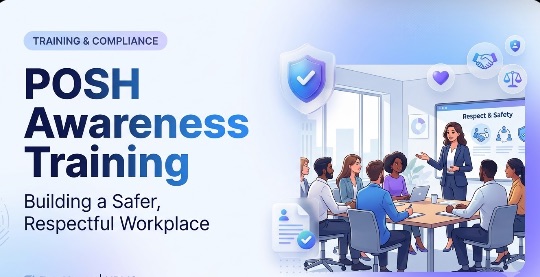
Policies do not create a safe workplace on their own. Employees must understand what behaviour is unacceptable, where to seek help, and how workplace complaints are handled.
This is where POSH awareness training comes into play.
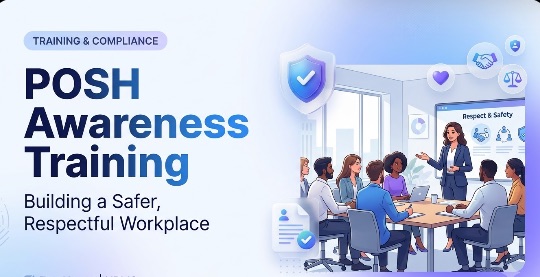
Prevention of Sexual Harassment (POSH) is a framework established to prevent and address sexual harassment of women at the workplace through prevention, prohibition, and redressal. POSH compliance is more than a checklist for organisations. It is essential to maintaining professionalism, respect, and inclusivity in the workplace.
This guide explains what POSH awareness training is, why it matters, who should receive it, and how organisations can implement an effective POSH training programme.
What Is POSH Awareness Training?
POSH awareness training is an employee education programme that helps employees understand workplace sexual harassment, acceptable professional behaviour, reporting mechanisms, and POSH compliance.
The training typically covers:
- Meaning and scope of sexual harassment
- Examples of inappropriate workplace behaviour
- Employee rights and responsibilities
- The organisation’s POSH policy
- Complaint and reporting procedures
- The role of the Internal Committee (IC)
- Confidentiality and non-retaliation
- Prevention of harassment
- Appropriate workplace communication and behaviour
Explaining the law alone is not enough. Effective POSH training should prepare employees to identify inappropriate behaviour and understand what to do if they experience or witness it.
Importance of POSH Awareness Training
A workplace may have a POSH policy but still lack awareness about it. Employees may not know whom to approach, what behaviour constitutes harassment, or what happens after a complaint is made.
Regular awareness training can help close this gap.
Supports POSH Compliance
The Sexual Harassment of Women at Workplace (Prevention, Prohibition and Redressal) Act, 2013, establishes responsibilities for organisations to prevent sexual harassment, raise awareness, and address complaints.
Organisations with 10 or more employees are required to constitute an Internal Committee under the applicable law.
POSH training helps employees and relevant committee members understand the organisation’s policy and their respective responsibilities.
Helps Employees Recognise Inappropriate Behaviour
The boundaries between professional and inappropriate behaviour may not always be clear to everyone.
POSH awareness training can use practical workplace scenarios to explain different forms of inappropriate conduct, including:
- Unwelcome comments or remarks
- Inappropriate jokes or messages
- Unwanted physical contact
- Unwelcome advances
- Sharing inappropriate content
- Conduct that creates a hostile or uncomfortable work environment
Clear examples help employees understand workplace expectations and remember the principles covered in the policy.
Builds Employee Confidence
When employees understand how to report concerns, they may feel more confident raising them through the appropriate channels.
Clear communication about the POSH framework helps employees understand:
- Whom they can approach
- How a complaint can be made
- What the Internal Committee does
- What confidentiality means
- How the organisation handles complaints
This clarity can reduce uncertainty and encourage employees to raise concerns through the proper channels.
Creates a Respectful Workplace Culture
POSH should not be treated as a one-time annual compliance activity.
Organisations can reinforce a respectful workplace culture by setting clear expectations around professional behaviour, equality, respect, and workplace conduct.
A strong workplace culture ensures that inappropriate behaviour is taken seriously and addressed through appropriate organisational processes.
Helps Reduce Organisational Risk
Workplace sexual harassment can increase legal, operational, reputational, and employee-relations risks.
Awareness training helps organisations ensure that employees understand expected workplace behaviour and that responsible teams know their duties.
Although training cannot completely eliminate the possibility of workplace harassment, it can help organisations establish better prevention and response mechanisms.
Who Should Receive POSH Training?
POSH awareness should not be limited to HR teams.
A comprehensive programme can include different training tracks for multiple groups.
Employees
Employee awareness sessions can cover:
- Understanding sexual harassment
- Appropriate workplace behaviour
- Rights and responsibilities
- Reporting mechanisms
- Organisational policies
- Appropriate communication
These sessions help employees understand workplace expectations and recognise the channels available to them if they experience or witness inappropriate behaviour.
Internal Committee Members
Internal Committee members need more detailed training on their roles and complaint-handling responsibilities.
Their training may cover:
- Committee roles and responsibilities
- Complaint handling
- Inquiry procedures
- Confidentiality
- Documentation
- Principles of fairness
- Timelines and procedural requirements
- Relevant legal provisions
This training helps committee members understand the processes they are expected to follow while handling complaints.
Managers and Team Leaders
Managers are often among the first people employees approach when they have workplace concerns.
Training helps managers understand how to respond appropriately, maintain confidentiality, avoid dismissing complaints, and direct employees towards the correct reporting mechanisms.
Highlighted Benefits of POSH Awareness Training
Effective POSH training benefits both employees and organisations.
Benefits for Employees
- Better understanding of workplace rights
- Greater awareness of unacceptable behaviour
- Clarity about complaint mechanisms
- Increased confidence in organisational processes
- Greater awareness of professional boundaries
- A stronger sense of safety and respect in the workplace
Benefits for Organisations
- Greater awareness of POSH policies among employees
- Stronger compliance processes
- Clearer workplace expectations
- Reduced ambiguity around reporting
- Improved employee trust
- Stronger organisational culture
- Better documentation and compliance management
POSH Awareness Training: How to Do It Right
POSH training is most effective when it is structured, practical, and relevant to the organisation.
Here is a basic process HR teams can follow.
Step 1: Develop a POSH Policy
Ensure employees have access to a current and clearly written POSH policy before conducting training.
The policy should outline how the organisation will prevent harassment, receive complaints, and handle them through the appropriate processes.
Step 2: Identify Different Training Audiences
Avoid using a one-size-fits-all approach.
Create appropriate training sessions for:
- Employees
- Managers
- HR teams
- Internal Committee members
- New joiners
Different roles require different levels of understanding and responsibility.
Step 3: Use Real-Life Workplace Situations
Legal terminology can be difficult to retain when training is entirely theoretical.
Use realistic scenarios based on workplace conversations, emails, meetings, messaging platforms, office events, and other professional situations.
Scenario-based training helps employees understand how the policy applies to everyday interactions.
Step 4: Make the Reporting Process Crystal Clear
Employees need to know what steps to take when they experience or observe inappropriate behaviour.
Training should explain the organisation’s reporting mechanisms, the role of the Internal Committee, confidentiality expectations, and the general process followed after a complaint is received.
Step 5: Include POSH Awareness in Employee Onboarding
Introduce POSH information during employee induction so workplace expectations are communicated from the beginning rather than only after an issue arises.
Including POSH awareness in onboarding helps new employees understand expected conduct, organisational policies, and available reporting channels.
Step 6: Maintain Training Records
HR teams should maintain appropriate records of POSH awareness initiatives, including:
- Training dates
- Participants
- Training topics
- Internal Committee training
- Policy communication
- Awareness activities
Maintaining proper records can make compliance management more organised and auditable.
POSH Training and HRMS: How Technology Can Play an Active Role
POSH compliance involves more than training. HR teams also need to manage employee records, policies, training information, documents, and other compliance-related activities.
A Human Resource Management System (HRMS) can serve as a central record-keeping system for employee information and HR documentation, helping streamline routine HR processes.
An HRMS such as ZestNexus allows organisations to centralise employee records, documents, and onboarding activities while managing attendance, payroll, and other HR processes.
However, an HRMS is not a substitute for legal advice, the Internal Committee, or the organisation’s POSH procedures. Technology can support compliance by improving record-keeping and helping HR teams maintain a more structured approach to HR administration.
Common Mistakes Organisations Should Avoid
Even organisations with POSH policies in place can face challenges during implementation.
Treating POSH as a One-Time Activity
A single annual presentation may not create lasting awareness.
Organisations should introduce POSH during onboarding and reinforce it through internal communication and periodic awareness programmes.
Making the Training Too Theoretical
Employees need practical examples, not just definitions and legal terminology.
Scenario-based learning makes the subject more relatable and helps employees understand how workplace policies apply to everyday situations.
Not Communicating the Reporting Process
A policy is less effective if employees do not understand how to raise a concern.
Organisations should clearly communicate reporting channels and explain the role of the Internal Committee.
Ignoring Managers
Managers play an important role in shaping workplace culture.
They should receive training on how to respond appropriately when an employee raises a concern, including the importance of taking the concern seriously and following the correct reporting process.
Poor Documentation
Organisations should maintain records of their POSH policies, employee training, awareness activities, and compliance processes.
Proper documentation supports more organised compliance management and helps track awareness initiatives.
When Should POSH Awareness Training Be Conducted?
Organisations should comply with the requirements applicable to them under the POSH Act and other relevant rules and regulations.
Regular awareness and refresher sessions are more effective than treating training as an annual checkbox exercise.
A practical approach can include:
- POSH awareness during employee onboarding
- Periodic employee awareness sessions
- Regular communication about workplace conduct
- Training sessions for Internal Committee members
- Refresher sessions whenever policies or processes change
Organisations should also periodically review their POSH policies and procedures to ensure they remain relevant and aligned with applicable legal requirements.
Conclusion
POSH awareness training plays an important role in creating a safe and respectful workplace. It helps employees understand their rights, responsibilities, and professional boundaries while making them aware of the procedures available to address workplace concerns.
An effective POSH programme combines awareness, a clear policy, accessible reporting mechanisms, a properly constituted and trained Internal Committee, responsible leadership, and organised record-keeping.
The goal should be more than fulfilling a compliance requirement. A robust POSH programme helps organisations create an environment where employees feel valued, heard, and aware of the processes available to them.
HRMS technology can further support HR teams by keeping employee records, documents, and onboarding information organised in one place. This can reduce administrative effort and allow HR teams to focus more on people, workplace practices, and organisational productivity.
Similar blogs you may like