What Is Human Resource Development (HRD)? A Complete Guide
Learn what Human Resource Development (HRD) is, why it matters, its key functions, types, benefits, and how technology is transforming employee development.
Introduction
Employees are the driving force behind every successful organization. While hiring the right talent is important, helping employees continuously learn, grow, and adapt is what enables long-term business success.
This is where Human Resource Development (HRD) plays a vital role.
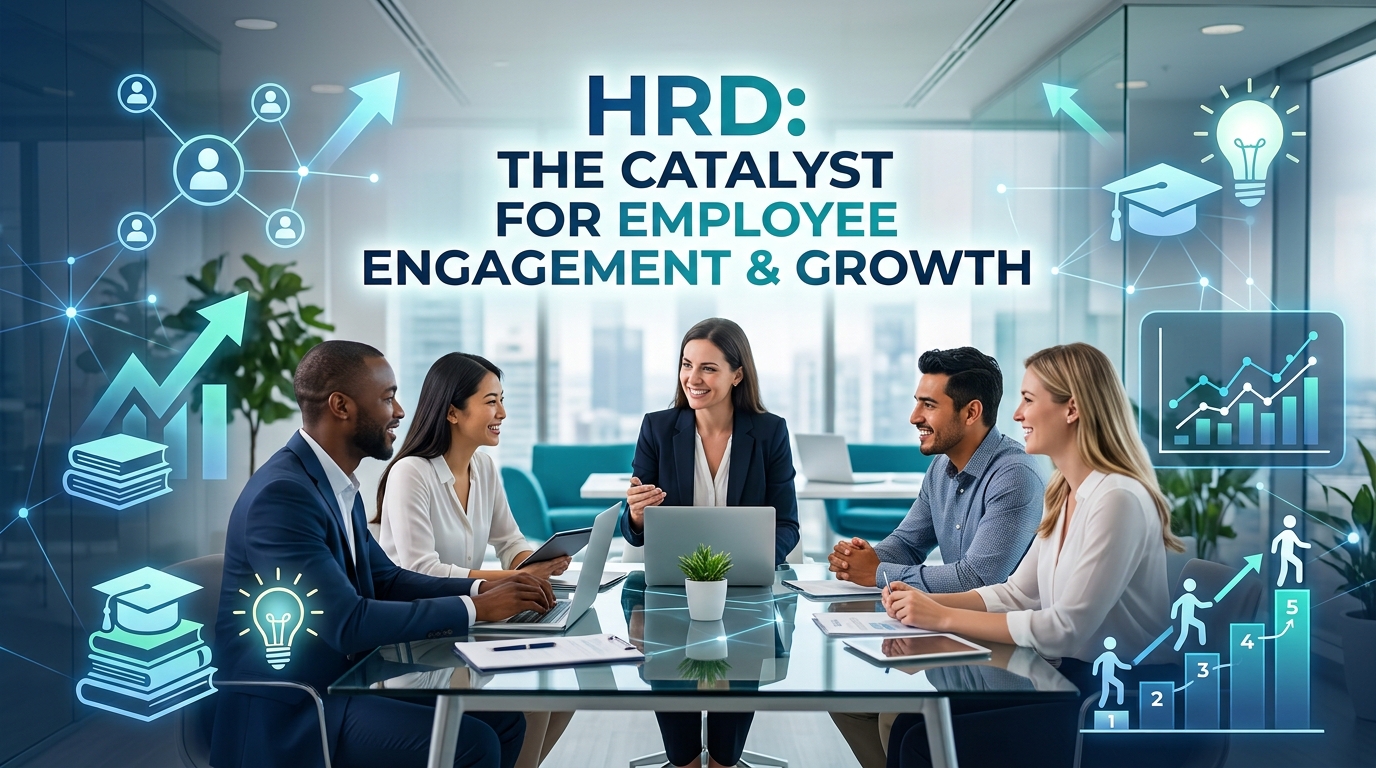
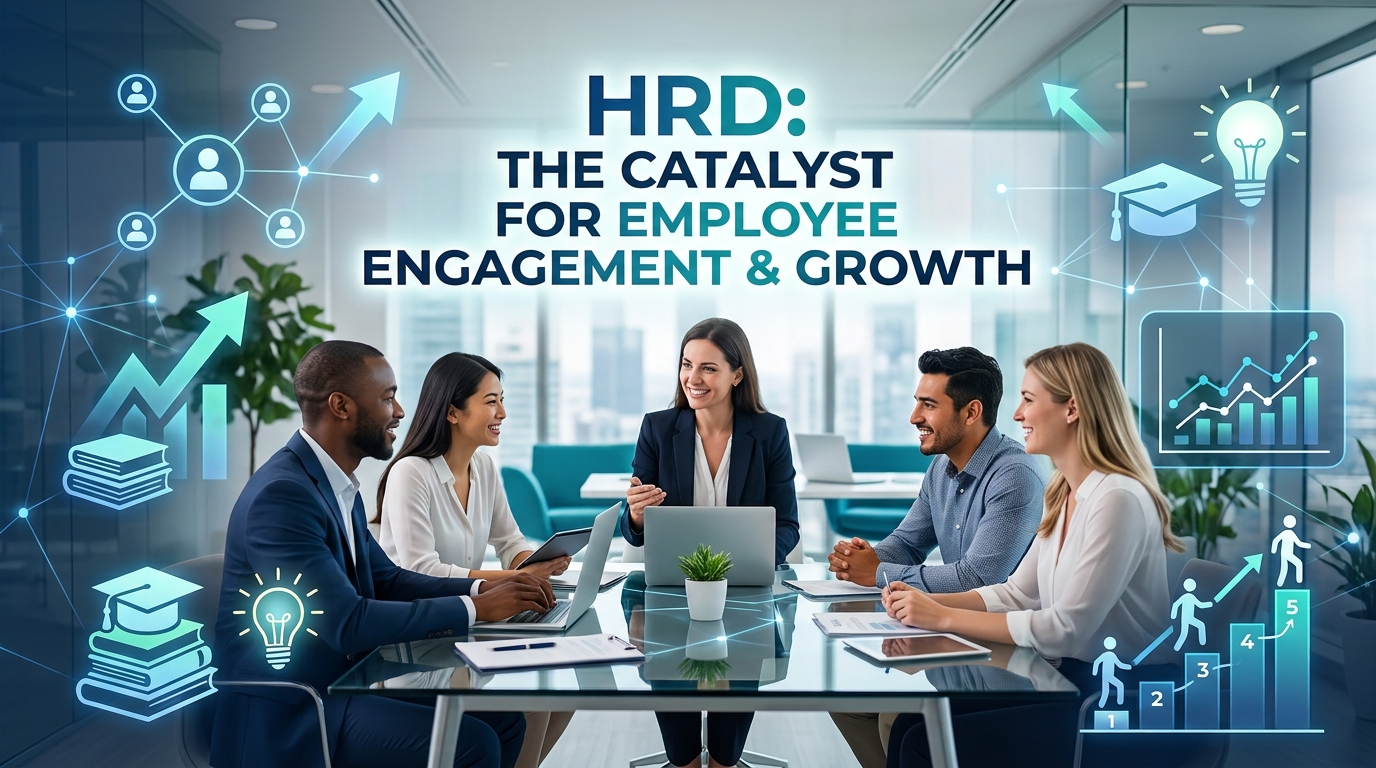
Human Resource Development goes beyond employee training. It focuses on developing skills, preparing future leaders, improving performance, and creating a workplace culture built around continuous learning.
Organizations that invest in employee development often experience higher productivity, stronger engagement, improved retention, and greater innovation.
In this guide, we’ll explore what Human Resource Development is, why it’s important, the different types of HRD, and how technology is transforming workforce development.
What Is Human Resource Development?
Human Resource Development (HRD) is the process of improving employees’ knowledge, skills, abilities, and competencies through structured learning, development programs, coaching, performance management, and career planning.
While training is a key part of HRD, the discipline extends much further by focusing on long-term employee growth and organizational capability.
Human Resource Development typically includes:
- Employee training
- Career development
- Leadership development
- Performance management
- Succession planning
- Mentoring and coaching
- Talent management
- Knowledge management
The objective is simple: help employees succeed while ensuring the organization has the capabilities required for future growth.
Why Human Resource Development Is Important
Effective HRD benefits both employees and organizations by creating a culture of continuous improvement.
Improves Employee Performance
Well-designed learning and development initiatives help employees build new skills, improve existing capabilities, and perform their roles more effectively.
Organizations that consistently invest in employee development often experience higher productivity and stronger business performance.
Increases Employee Engagement and Retention
Employees are more likely to remain with organizations that invest in their professional growth.
Career development opportunities, mentorship programs, and continuous learning contribute to higher job satisfaction and lower employee turnover.
Encourages Innovation and Adaptability
Business environments evolve rapidly.
HRD prepares employees to embrace new technologies, adapt to changing market conditions, and solve problems creatively.
Organizations with strong learning cultures are often better positioned to innovate and remain competitive.
Develops Future Leaders
Leadership development is a core component of Human Resource Development.
By identifying high-potential employees early and preparing them for leadership roles, organizations build a strong succession pipeline and reduce the risks associated with leadership transitions.
Supports Organizational Growth
HRD aligns employee development with business objectives, ensuring the workforce develops the skills needed to support long-term organizational success.
Types of Human Resource Development
Human Resource Development encompasses several interconnected activities.
1. Training and Development
Training programs help employees gain the knowledge and skills required to perform their current roles effectively.
Examples include:
- Technical training
- Compliance training
- Product knowledge
- Workshops
- Online learning
- Certification programs
2. Career Development
Career development helps employees plan and achieve long-term professional goals.
Organizations support career development through:
- Career planning
- Internal mobility
- Skill development
- Individual development plans
- Career coaching
3. Leadership Development
Leadership development prepares employees for future management and executive roles.
Programs often include:
- Leadership workshops
- Executive coaching
- Decision-making exercises
- Cross-functional projects
- Strategic thinking development
4. Performance Management
Performance management is an ongoing process that helps employees improve through:
- Goal setting
- Regular feedback
- Performance reviews
- Coaching sessions
- Continuous development
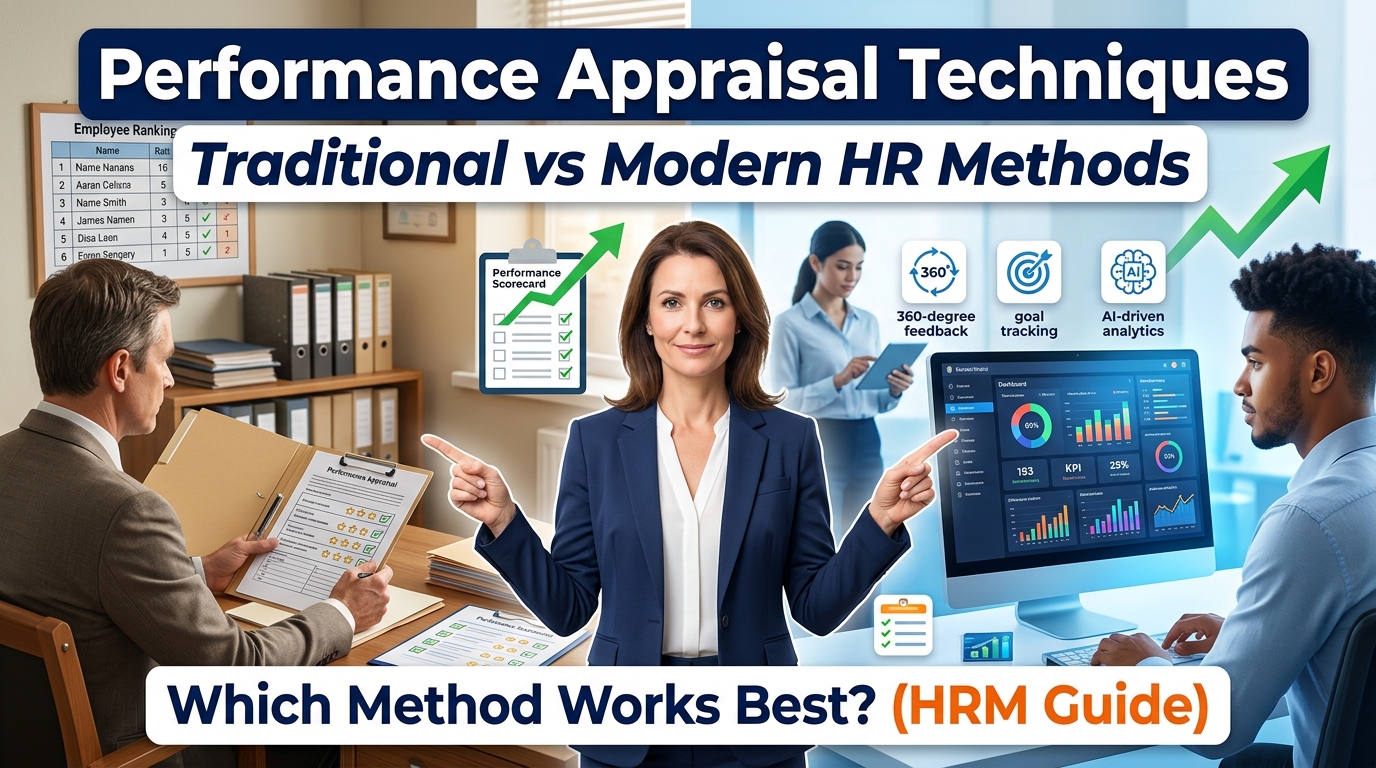
Rather than focusing only on annual appraisals, modern organizations emphasize continuous performance conversations.
5. Succession Planning
Succession planning identifies employees with leadership potential and prepares them for future critical roles.
Effective succession planning helps organizations:
- Reduce leadership gaps
- Improve business continuity
- Retain high-potential talent
6. Mentoring and Coaching
Mentoring and coaching provide personalized guidance that supports professional growth.
These programs help employees:
- Develop confidence
- Improve leadership skills
- Solve workplace challenges
- Accelerate career progression
7. Talent Management
Talent management focuses on attracting, developing, and retaining high-performing employees.
Key activities include:
- Talent identification
- Skill development
- Performance management
- Employee engagement
- Retention strategies
8. Knowledge Management
Knowledge management ensures organizational expertise is documented, shared, and retained.
This helps reduce knowledge loss while promoting collaboration and continuous learning across teams.
How Human Resource Development Works
Successful HRD follows a structured process.
Step 1: Assess Organizational Needs
Identify current skill gaps and future capability requirements through:
- Performance reviews
- Employee feedback
- Skills assessments
- Workforce planning
Step 2: Define Development Objectives
Set clear learning objectives aligned with organizational goals and employee career aspirations.
Step 3: Design Learning Programs
Develop training initiatives that match employee needs.
Examples include:
- Classroom workshops
- Online courses
- Mentorship programs
- Leadership training
- Certification pathways
Step 4: Implement Development Programs
Deliver learning opportunities while encouraging active participation and continuous improvement.
Step 5: Measure Results
Evaluate program effectiveness using:
- Employee feedback
- Performance improvements
- Skill assessments
- Business outcomes
- Learning completion rates
Step 6: Support Career Growth
Provide employees with clear career progression opportunities through:
- Leadership pathways
- Mentoring
- Internal promotions
- Individual development plans
Step 7: Build a Learning Culture
Encourage employees to take ownership of their development by promoting continuous learning and curiosity.
Step 8: Continuously Improve
Regularly review HRD initiatives and refine them to meet changing business needs.
How Technology Is Transforming Human Resource Development
Technology has become a key driver of modern HRD.
Learning Management Systems (LMS)
Learning Management Systems help organizations:
- Deliver online training
- Track learning progress
- Assign courses
- Monitor certifications
- Measure training effectiveness
E-Learning Platforms
Digital learning enables employees to access training anytime and from anywhere.
Benefits include:
- Flexible learning schedules
- Personalized learning paths
- Better accessibility
- Higher engagement
Performance Management Software
Modern HR platforms automate:
- Goal tracking
- Continuous feedback
- Performance reviews
- Employee development plans
This improves transparency while reducing administrative effort.
Talent Management Platforms
Technology simplifies:
- Recruitment
- Employee development
- Succession planning
- Career progression
- Internal mobility
HR Analytics
HR analytics enables organizations to measure:
- Employee performance
- Training effectiveness
- Engagement levels
- Skill gaps
- Workforce trends
These insights help HR leaders make informed decisions about employee development.
How ZestNexus Supports Human Resource Development
ZestNexus provides organizations with modern HR tools that support employee growth throughout the entire employee lifecycle.
With ZestNexus, businesses can:
- Manage employee performance
- Track learning and development
- Automate performance reviews
- Support goal setting and continuous feedback
- Enable succession planning
- Improve workforce analytics
- Centralize employee records
By combining HR operations with employee development, ZestNexus helps organizations build skilled, engaged, and future-ready teams.
Conclusion
Human Resource Development is no longer limited to employee training. It has become a strategic function that helps organizations develop talent, improve performance, strengthen leadership, and build a culture of continuous learning.
Businesses that invest in structured HRD programs are better equipped to retain top talent, improve employee engagement, and remain competitive in an evolving workplace.
With modern HR technology like ZestNexus, organizations can simplify employee development while creating an environment where both people and businesses thrive.
Frequently Asked Questions
What is Human Resource Development (HRD)?
Human Resource Development (HRD) is the process of improving employees’ knowledge, skills, abilities, and competencies through training, career development, leadership development, coaching, and performance management.
What is the difference between HRM and HRD?
Human Resource Management (HRM) focuses on managing the overall employee lifecycle, while Human Resource Development (HRD) specifically focuses on employee learning, development, and long-term growth.
Why is Human Resource Development important?
HRD improves employee performance, increases engagement, supports leadership development, enhances retention, and helps organizations prepare for future business challenges.
What are the main functions of Human Resource Development?
The primary functions of HRD include training and development, career planning, leadership development, performance management, succession planning, mentoring, coaching, and talent management.
How does technology improve Human Resource Development?
Technology enables organizations to automate learning, track employee development, deliver online training, monitor performance, analyze workforce data, and create personalized learning experiences through HRMS and Learning Management Systems.
Similar blogs you may like