HRMS for Remote-Only Startups: 5 Things You Didn’t Know You Needed

Discover the five essential HRMS features every remote-only startup needs for compliance, engagement, automation, and global growth.

January 10, 2026✍️By Harshita Jain

HRMS for remote startups

HRMS for Remote-Only Startups: 5 Things You Didn’t Know You Needed

If your team has never shared lunch together, you’re part of the remote-only era. While tools like Slack and Zoom keep projects moving, who takes care of hiring, onboarding, payroll, and performance? That’s where a modern HRMS (Human Resource Management System) for remote startups comes in—automating what used to eat up your time and enabling your business to scale globally.

Here are the five must-have HRMS features for remote-only startups:

1. Cloud-Based Scalability

  • No servers or IT headaches: Everything runs in the cloud, so you can scale instantly as your team grows—no heavy lifting required.
  • One source of truth: Employee data, payroll, onboarding, and performance dashboards are always secure and accessible from anywhere.
  • Real-time updates: Hiring, onboarding, and payroll sync automatically, keeping everyone on the same page.

2. AI-Driven Recruitment

  • Smarter, faster hiring: AI screens resumes in seconds, matches candidates to your culture, and predicts performance potential.
  • Continuous improvement: The system learns from each hire, making future recruitment even more accurate.

3. Self-Service Portal

  • Empower employees: Team members can apply for leave, download payslips, update personal details, and track benefits—no HR desk required.
  • Frees up HR: Automation lets HR focus on strategy, not paperwork, and gives distributed teams more autonomy.

4. Analytics & Reporting

  • Actionable insights: Track engagement, turnover risk, performance trends, and remote work health checks.
  • Customizable dashboards: Visual reports highlight productivity dips, burnout risks, and team strengths—no more Excel gymnastics.

5. Compliance & Payroll Across Borders

  • Global payroll: Calculate pay in multiple currencies and handle tax filings for each country’s laws.
  • Automated compliance: Get alerts for local labor rules and manage benefits for employees and contractors worldwide.

Conclusion

Choosing the right HRMS for your remote startup isn’t just about ticking boxes—it’s about building a culture that thrives without an office. The right system empowers employees, keeps leadership aligned, ensures compliance, and scales as fast as your product roadmap. Think of your HRMS as an invisible co-founder—always keeping your team in sync and your company running smoothly.


Frequently Asked Questions (FAQ)

Why do remote-only startups need a specialized HRMS?

Remote teams require cloud-based, globally accessible, and automated HR tools to manage distributed workforces efficiently.

What features are most important in HRMS for remote startups?

Cloud scalability, AI-driven recruitment, self-service portals, analytics, and global compliance are essential.

How does HRMS help with global payroll and compliance?

It automates multi-currency payroll, tax filings, and alerts for local labor laws, reducing compliance risks.

Can HRMS improve remote employee engagement?

Yes, with self-service tools, analytics, and communication features that keep remote teams connected and motivated.

Is HRMS cost-effective for small remote startups?

Modern cloud HRMS solutions offer scalable pricing, making them affordable for startups of any size.
HRMSRemote WorkStartupsAutomationCompliance

Similar blogs you may like

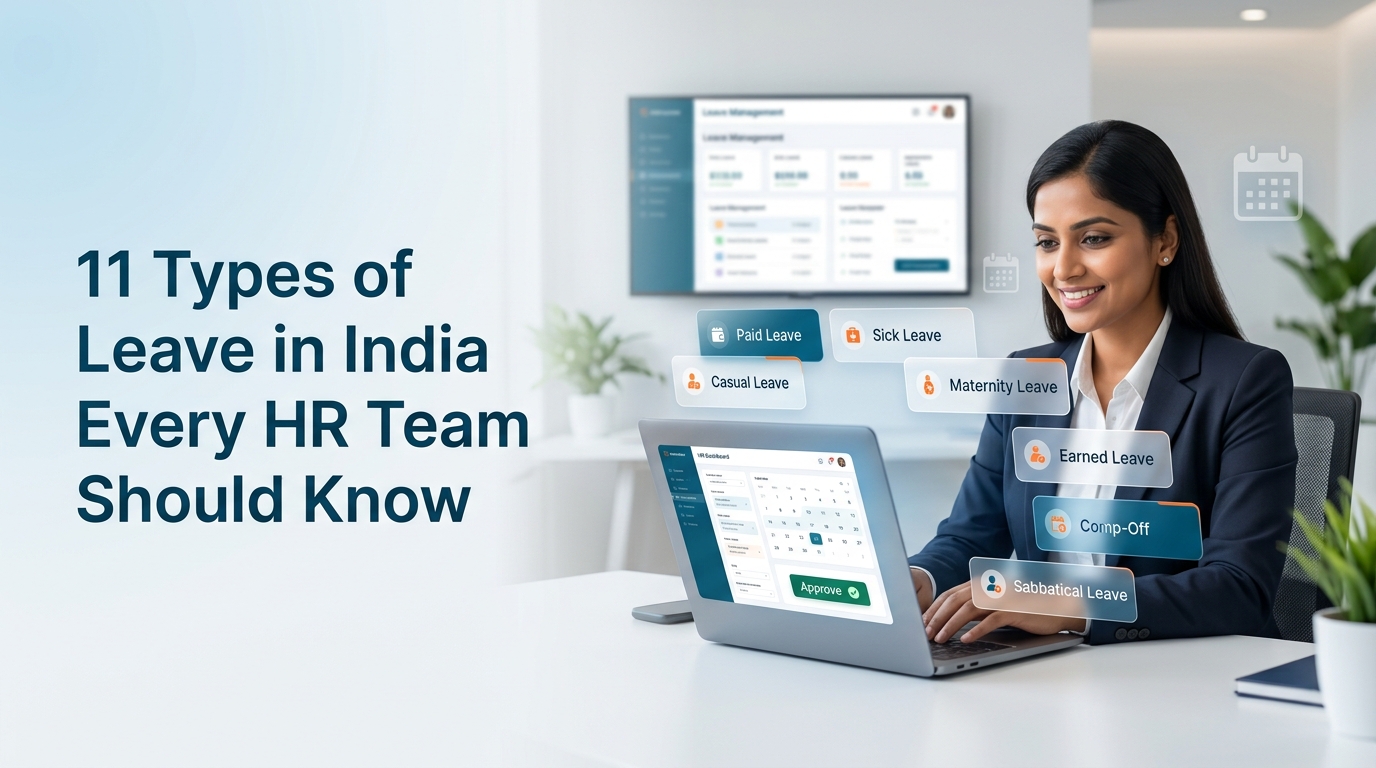
11 Types of Leave in India Every HR Team Should Know
📅 July 12, 2026✍️ ZestNexus Team
A complete guide to leave types in India for HR teams. Understand earned leave, sick leave, maternity leave, comp-off, sabbatical leave, and smarter leave management practices.
Leave ManagementHR PoliciesHRMSEmployee BenefitsAttendance ManagementWorkforce ManagementLeave PolicyHR Compliance
Performance Appraisal Techniques: Traditional and Modern Methods in HRM
📅 June 26, 2026✍️ ZestNexus Team
Learn about traditional and modern performance appraisal techniques in HRM, their advantages, limitations, and how businesses can choose the right performance management approach.
Performance ManagementPerformance AppraisalHRMEmployee PerformancePerformance ReviewHR TechnologyEmployee DevelopmentHRMS
12 min readRead Article →
What Is Payroll Management System? Everything You Need to Know
📅 June 25, 2026✍️ ZestNexus Team
Learn what a payroll management system is, its functions, benefits, process, and why businesses need payroll software to automate salary processing and compliance.
Payroll ManagementPayroll SoftwareHRMSPayroll AutomationEmployee PayrollSalary ProcessingPayroll ComplianceHR Technology
Key Result Areas vs Key Performance Indicators: Complete Guide for HR Teams
📅 June 24, 2026✍️ ZestNexus Team
Learn the difference between Key Result Areas (KRAs) and Key Performance Indicators (KPIs), their role in performance management, performance appraisals, and how HRMS software streamlines performance tracking.
Performance ManagementKRAKPIKey Result AreasKey Performance AreasEmployee PerformanceHRMSPerformance Appraisal
10 min readRead Article →
How HRMS Helps HR Executives Save Time
📅 June 23, 2026✍️ ZestNexus Team
Discover how HRMS software helps HR executives automate routine tasks, improve efficiency, and focus on strategic workforce initiatives.
HRMSHR ExecutiveHuman Resource Management SystemHR AutomationHRMS BenefitsHR TechnologyPayroll AutomationAttendance Management
Book a demo

Ready to Streamline Your Business?

Join 100+ organizations already using ZestNexus to manage their operations more efficiently.