Shift Rostering: Definition, Types, Tools, and Best Practices
Understand shift rostering, its types, tools, and best practices to create efficient, fair, and compliant work schedules.
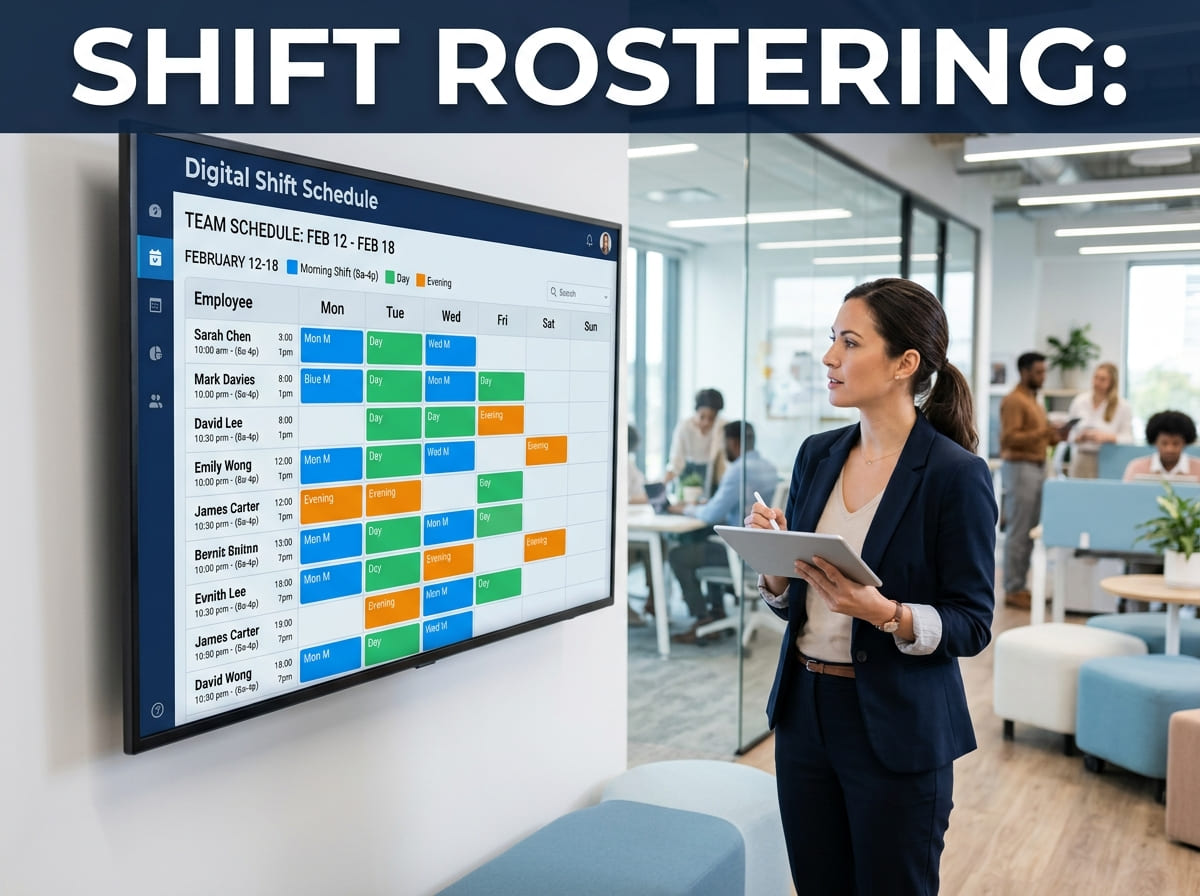
Shift rostering is not only about filling names into time slot sheets. It’s about making sure the right people are at work when you need them. When done well, operations run smoother, managers stay aware of who’s on deck, and teams avoid last-minute scrambling.
Let’s break down what shift rostering is, its types, tools that help, and how to get it right.
What is Shift Rostering?
Shift rostering is the process of mapping out who will work in which shift and when, over a defined timeframe. It requires balancing business needs with employee availability, considering both operational demand and employee work-life situations.
When Do You Use Shift Rostering?
Managers rely on roster planning when operations need consistency and flexibility, especially in:
- 24/7 organizations
- Businesses with fluctuating demand
- Industries like healthcare, retail, hospitality, and manufacturing
Shift rostering helps maintain operational continuity while staying compliant with labor regulations.
Types of Shift Rosters
1. Fixed Shift
Employees work the same shift consistently (e.g., always day or night shifts).
Best for: Stability and predictability.
2. Rotating Shift
Employees rotate through different shifts based on a schedule or pattern.
Best for: Fair distribution of workload and shift timings.
3. On-Call Shift
Employees are available to work if needed, often at short notice.
Best for: Handling unpredictable demand or emergencies.
Why Shift Rostering Matters
Effective shift rostering helps:
- Maintain productivity during peak periods
- Prevent employee burnout
- Avoid understaffing or overstaffing
- Ensure compliance with labor laws
- Control overtime and payroll costs
Common Tools for Shift Scheduling
1. Shift Roster Generators
Automated tools that create schedules based on predefined rules like availability, skills, and demand.
2. Employee Scheduling Software
Advanced platforms that handle:
- Shift assignments
- Shift swaps
- Leave requests
- Compliance tracking
- Reporting and analytics
3. Excel Templates
A simple and flexible option for small teams or short-term planning needs.
Best Practices for Shift Rostering
- Ensure fair distribution of shifts across employees
- Be transparent about how shifts are assigned
- Consider employee preferences and availability
- Avoid excessive consecutive shifts to prevent fatigue
- Plan for contingencies and backup resources
Quick Guide to Building a Roster
- Analyze demand for each time period
- Map required skills to each shift
- Assign employees based on availability and rules
- Publish schedules early for better planning
- Track exceptions and adjust as needed
FAQs
What’s a shift roster and why should I care?
How do you build a roster in Excel?
What tools work best for shift rostering?
Similar blogs you may like