What Is Payroll Management System? Everything You Need to Know
Learn what a payroll management system is, its functions, benefits, process, and why businesses need payroll software to automate salary processing and compliance.
What Is Payroll Management System? Everything You Need to Know
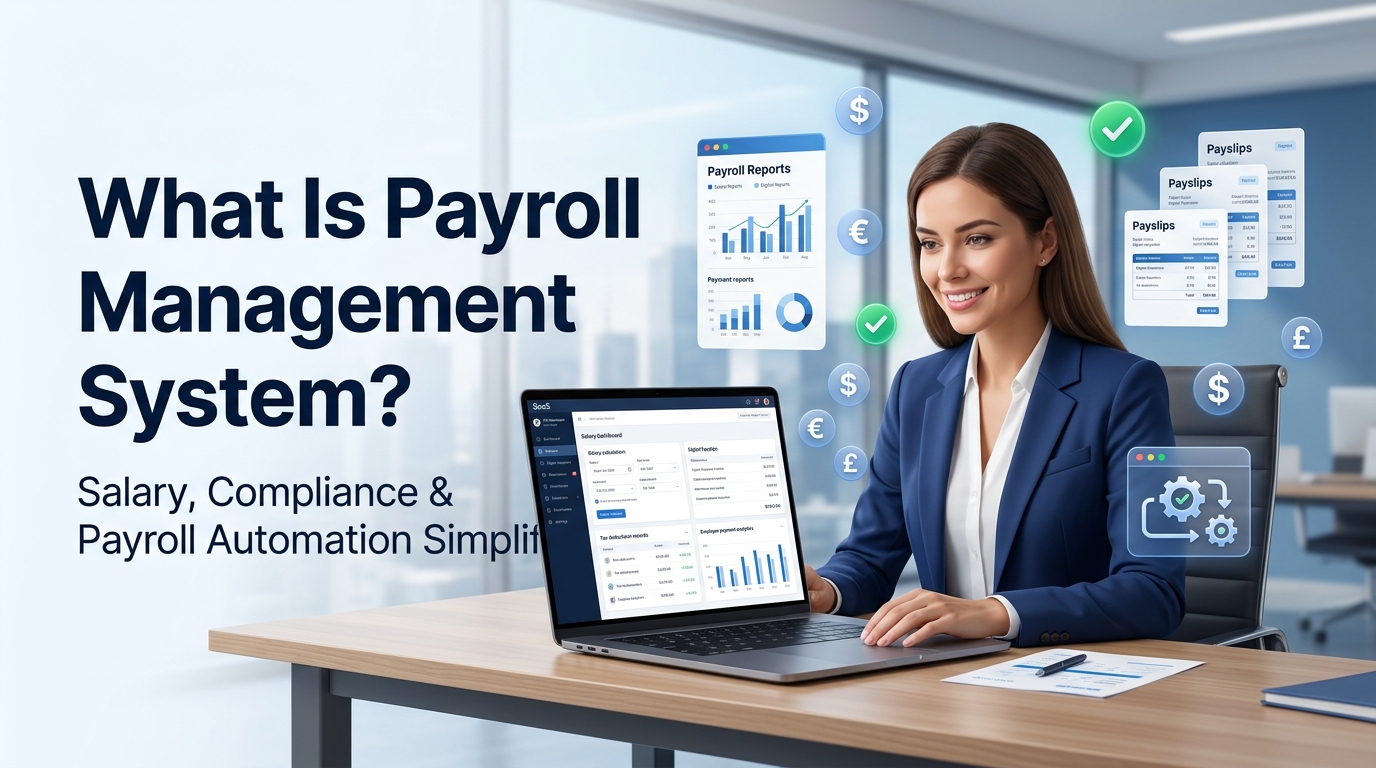
Handling compensation manually can become a cumbersome task very quickly. Payroll takes time and still leaves room for errors, which can be expensive. From calculating salaries and deductions to managing attendance, overtime, taxes, and compliance, payroll involves multiple moving parts.
This is where payroll management comes into play.
What Is Payroll Management System?
A payroll management system is software that helps businesses manage, calculate, automate, and process employee salary payments.
The system handles everything from salary calculation and tax deductions to attendance data, leave records, bonuses, payslip generation, and compliance in one platform.
In simple terms, if you are wondering what is a payroll management system, it is a software-driven solution that helps organizations automate the entire payroll process while ensuring employees are paid accurately and on time with minimal manual effort.
What Is Employee Payroll Management System?
An employee payroll management system is used to manage employee-related payroll information.
It stores:
- Wage details
- Working hours
- Attendance records
- Leave data
- Deductions and benefits
- Payment history
Process Flow: Manual Records & Spreadsheets → Payroll Management System → Fast, Accurate & Secure Payroll Processing
What Is Payroll Management System and Why Is It Important?
Employees are the most valuable asset of any company.
For organizations wondering what a payroll management system is, it is a comprehensive software solution that manages the complete payroll lifecycle.
This includes:
- Gathering employee attendance and salary information
- Calculating gross salary and deductions
- Managing taxes and statutory compliance
- Generating payslips
- Processing salary payments
- Creating payroll reports
A good payroll management system saves valuable time for HR and finance teams while ensuring accuracy, compliance, and employee trust.
Important Functions of Payroll Management System
Salary Calculation
The system calculates employee salaries based on:
- Fixed salary components
- Attendance records
- Overtime
- Bonuses
- Deductions
- Company policies
Attendance and Leave Management
Payroll software integrates attendance and leave data directly into salary calculations.
Benefits
- Accurate salary processing
- Reduced manual calculations
- Fair employee compensation
Tax and Compliance Management
A payroll management system helps calculate:
- Income tax deductions
- Statutory contributions
- Compliance requirements
This reduces the risk of compliance errors, penalties, and fines.
Payslip Generation
The software automatically generates digital payslips containing:
- Salary details
- Deductions
- Tax information
- Net pay
This improves transparency and employee confidence.
Reports and Analytics
Payroll systems generate reports related to:
- Salary expenses
- Employee compensation
- Tax records
- Deductions
- Financial planning
These reports support better business decision-making.
Benefits of Payroll Management System
Reduces Payroll Errors
Manual payroll processing often results in mistakes. Payroll software automates calculations and significantly reduces payroll errors.
Saves Time
HR teams can process salaries in minutes instead of spending hours on manual calculations.
Improves Compliance
Payroll software helps organizations comply with:
- Tax regulations
- Labor laws
- Statutory requirements
Increases Employee Satisfaction
Employees expect accurate and timely salary payments. A payroll management system helps build trust by ensuring consistent payroll processing.
Secures Employee Data
Payroll data contains sensitive information such as:
- Salary details
- Tax information
- Banking information
- Personal records
A dedicated payroll system offers stronger security than spreadsheets or manual records.
Payroll Management Process
Step 1: Collect Payroll Data
The payroll process begins by collecting employee-related information such as:
- Attendance
- Leaves
- Overtime
- Bonuses
- Deductions
- Salary structure
Step 2: Calculate Salary
The system calculates:
- Gross salary
- Deductions
- Taxes
- Net salary
Step 3: Apply Deductions
Applicable deductions are processed based on company policy and legal requirements, including:
- Income tax
- Provident fund contributions
- Insurance deductions
- Other statutory deductions
Step 4: Generate Payslips
Once salary calculations are completed, the system automatically generates employee payslips.
Step 5: Process Salary Payments
The approved salary amount is transferred directly to employee bank accounts.
Step 6: Create Payroll Reports
Payroll reports help HR and finance teams with:
- Budgeting
- Auditing
- Compliance management
- Financial planning
The Importance of Payroll Management System for a Business
Payroll is not just about paying salaries. It directly affects:
- Employee trust
- Legal compliance
- Financial accuracy
- HR productivity
Businesses without a payroll system often face:
- Salary calculation errors
- Delayed payments
- Compliance issues
- Poor employee experience
- Data security risks
- Increased workload for HR teams
A payroll management system streamlines payroll operations, automates repetitive tasks, and improves overall accuracy and control.
With ZestNexus, businesses can simplify payroll processing while improving efficiency, compliance, and employee satisfaction.
Why Businesses Need Payroll Software
As organizations grow, payroll complexity also increases.
Modern payroll software helps businesses:
- Automate salary calculations
- Reduce manual work
- Improve payroll accuracy
- Maintain statutory compliance
- Generate reports instantly
- Improve employee experience
- Save time and operational costs
Implementing payroll software allows HR and finance teams to focus on strategic initiatives instead of repetitive administrative tasks.
Conclusion
So, what is a payroll management system?
It is software that helps organizations manage salary calculations, deductions, taxes, payslips, compliance requirements, and payroll reporting from a single platform.
Whether you are searching for:
- What is payroll management system meaning
- What is employee payroll management system
- What is the meaning of payroll management system
The answer remains the same:
A payroll management system is a smart solution that makes payroll processing faster, more accurate, more secure, and easier to manage.
By reducing payroll errors, saving time, improving compliance, and enhancing the employee experience, ZestNexus helps businesses manage payroll more efficiently and confidently.
Frequently Asked Questions
What is a payroll management system?
A payroll management system is software that automates salary calculations, deductions, tax management, payslip generation, and employee payroll processing.
What is an employee payroll management system?
An employee payroll management system stores and manages employee payroll information, including attendance, salary structures, deductions, and payment history.
Why is payroll management important?
Payroll management ensures employees are paid accurately and on time while helping businesses maintain compliance with tax laws and labor regulations.
What are the benefits of payroll software?
Payroll software reduces errors, saves time, improves compliance, secures employee data, and enhances employee satisfaction.
Can payroll management software automate salary processing?
Yes. Modern payroll systems like ZestNexus automate salary calculations, deductions, statutory compliance, payslip generation, and payroll reporting.
Similar blogs you may like